Memrease is a place where families build an archive together. The photos on your phone, those boxes nobody's opened in a decade, the story your dad has told three different ways at three different Christmases – all of it has somewhere to live, and somewhere to grow.

Remember when…?

Two words, for something shared.

The work isn't yours alone. Whoever else was there can add their voice; what you remember as a quiet afternoon, your sister remembers for the song that played twice. One memory becomes a chorus.

A grandmother and her granddaughter looking through a photo album together in warm evening light.
Going through the albums together.
How it works

From scattered pieces to something shared.

AI finds the pattern.

The photos in your phone are mostly stranded. Pixels and frames that don't yet add up to anything. Memrease reads across them and finds the ones worth a closer look: birthdays, trips, the recurring pattern of Sunday lunches at your mum's.

Memrease suggests; it never names. A cluster of seven photos from the same weekend in June is just that – a cluster – until you decide what it was.

You name the meaning.

Every memory is anchored in your words. Your story, your vocabulary, your sense of what mattered about the day. Memrease suggests; you decide.

The voice on the page stays yours. Your perspective, in your words. We hold the space; you fill it.

Your family says so too.

Each person carries their own version: what they noticed, what stayed with them. None of them is the whole memory; together they are. The brother remembers the song that played twice; the dad, the speech he was nervous about; the cousin, a conversation in the kitchen no-one else was in.

The memory is richer for the fact that no single person could have told it.

For the active family

Cousins putting together a birthday volume for Grandad's eightieth.

New parents documenting their kid's first decade. Siblings collecting what they all remember from the holiday everyone took together last summer. A family that just wants somewhere durable to keep what they have between them.

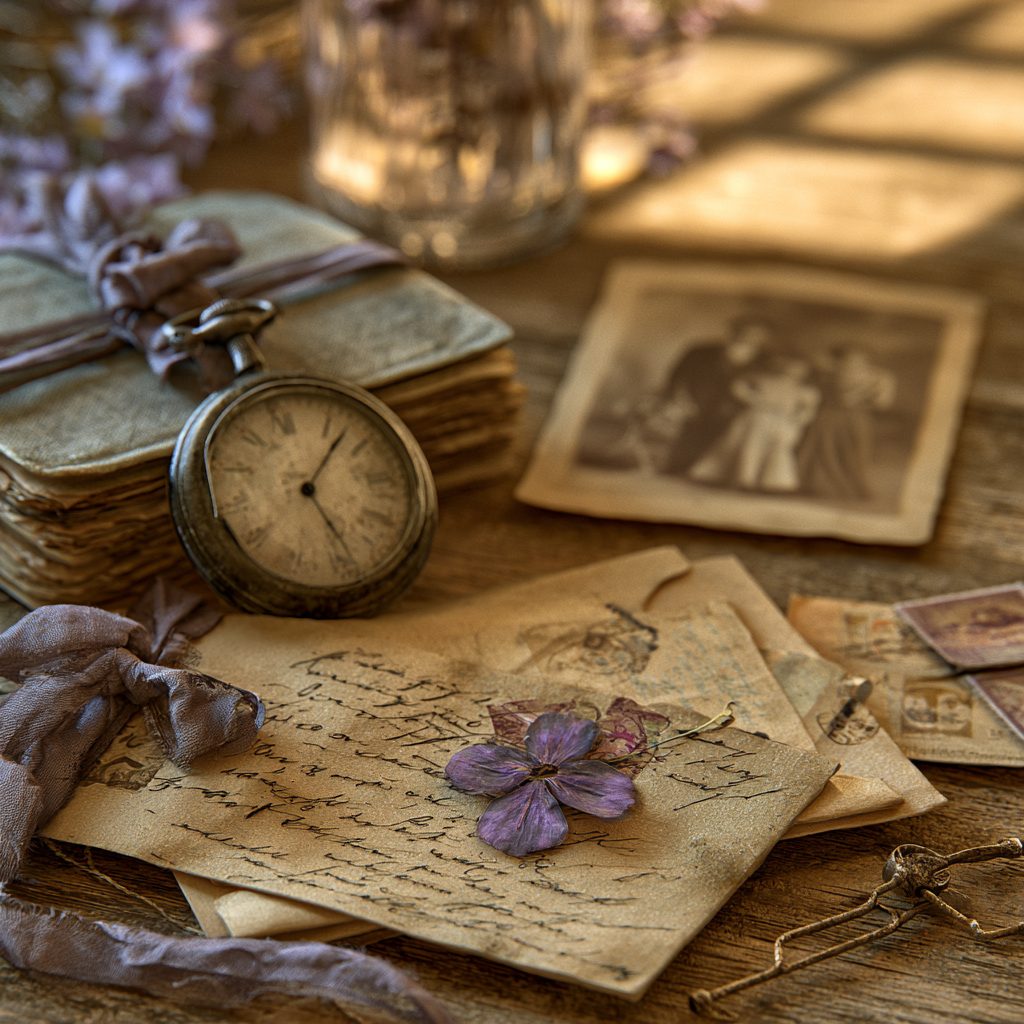
You already have most of what an archive needs. The photos on your phone, the letters in the loft, the recordings someone made on their tape recorder in 2008. The hard work of having been there and captured the moment is done. The remaining work is threading it together, and that work doesn't have to be yours alone.

Memrease threads the pieces by event, era, and the people in them. Each family member you invite can add their voice; what one person remembers as a quiet afternoon, another remembers for the song that played twice. The archive stays searchable, attributable, and yours; and the work that one person does today still makes sense to a great-grandchild two decades from now.

For someone who needs help remembering

Each day, a photo and a question about something she actually knows.

She opens a saved link on her tablet. A photo loads, one she'll recognise, from a moment her family chose for her. A gentle question follows: “Do you remember when this was?”If she answers, the conversation continues at her pace. If she sits with the photo, that's also fine.

The interface is built for slower attention and the gentle rhythms reminiscence work calls for. There's no login, no menu to navigate, no notifications. She doesn't need to know what AI is. She needs to tap a screen, and her prompt is there.

NICE guideline NG97 recommends considering reminiscence therapy for people living with mild to moderate dementia. Memrease is built around that guidance from the ground up; the experience itself is just a quiet morning with photos and someone to talk to about them.

A wedding is one afternoon. A family spans decades.

The memory you preserve today still holds its shape when you're welcoming a grandchild or a great-grandchild twenty years from now, and your own dad's voice is still his.

The people who'll one day read your archive are part of it too. They just haven't joined yet.

Why now

Trust, in an age of fakes.

AIcan clone a voice, fake a photo, build a video of someone in a place they've never been. We're heading toward an era with more synthetic photos in the world than real ones, and the usual ways of knowing what's real aren't keeping up.

For a family, you don't need a cryptographic hash to know a wedding photo is real. Your brother was there. Your dad remembers the speech. You've got the photo of the ringbearer. Put them together and you've got proof that holds.

Memrease is built for the kind of remembering that doesn't need a certificate of authenticity. The kind that holds because the people who were there agree it was so.

The result is less a digital scrapbook than a small, disciplined archive: a place where a family's account of itself is recorded with enough provenance to still mean something in an era when the artefacts alone no longer can.

Where AI helps. What stays human.

Memrease uses AI to do the parts of family-archive work that would otherwise be tedious: finding patterns across thousands of photos, threading together what's connected, transcribing what was spoken. The parts that should stay yours stay yours.

Where AI helps

  • Finding the moments worth remembering across thousands of stranded photos
  • Suggesting connections between memories that mention the same person, place, or recurring event
  • Transcribing voice notes and summarising long letters so they're searchable
  • Calibrating prompts to the pace of the person remembering

What stays human

  • Writing each memory: your words, your sense of what mattered, your voice on the page
  • Speaking for any family member, alive or otherwise; that stays theirs
  • Photos, audio, and video of the people in your family. Memrease never generates fake or fabricated versions
  • Deciding what gets remembered, who gets to see it, and when
The full statement, including how AI providers are chosen and what data is sent where, lives at /values/ai.

Start your family's archive.

Memrease beta is invitation-only while we make sure the experience holds for the families who've signed up first. If you'd like to be considered – a sentence about your family is enough – write to us.

Request beta access
Already invited? Sign in.